FEATURES
Hyper Checkout Experience
Discover how AUISY has helped financial institutions transform their operations and enhance customer experiences.
Popular
Smart Retry
Automatically recover failed transactions by intelligently retrying them through alternate payment routes and processors. This ensures higher success rates, minimizes revenue loss, and provides a smooth user experience even during temporary network issues or bank-side failures.
One-click
Enable ultra-fast payments using securely saved customer details and tokenized card data. Returning users can complete transactions instantly without re-entering information, reducing friction and significantly improving checkout speed and overall conversion rates across web and mobile platforms.

UPI Intent
Deliver a seamless UPI payment experience with direct app redirection and real-time transaction handling. Users can complete payments within their preferred UPI apps, ensuring faster approvals, fewer drop-offs, and a familiar, trusted checkout journey.

Popular
Smart Retry
Automatically recover failed transactions by intelligently retrying them through alternate payment routes and processors. This ensures higher success rates, minimizes revenue loss, and provides a smooth user experience even during temporary network issues or bank-side failures.
One-click
Enable ultra-fast payments using securely saved customer details and tokenized card data. Returning users can complete transactions instantly without re-entering information, reducing friction and significantly improving checkout speed and overall conversion rates across web and mobile platforms.
UPI Intent
Deliver a seamless UPI payment experience with direct app redirection and real-time transaction handling. Users can complete payments within their preferred UPI apps, ensuring faster approvals, fewer drop-offs, and a familiar, trusted checkout journey.
Popular
Smart Retry
Automatically recover failed transactions by intelligently retrying them through alternate payment routes and processors. This ensures higher success rates, minimizes revenue loss, and provides a smooth user experience even during temporary network issues or bank-side failures.
One-click
Enable ultra-fast payments using securely saved customer details and tokenized card data. Returning users can complete transactions instantly without re-entering information, reducing friction and significantly improving checkout speed and overall conversion rates across web and mobile platforms.
UPI Intent
Deliver a seamless UPI payment experience with direct app redirection and real-time transaction handling. Users can complete payments within their preferred UPI apps, ensuring faster approvals, fewer drop-offs, and a familiar, trusted checkout journey.
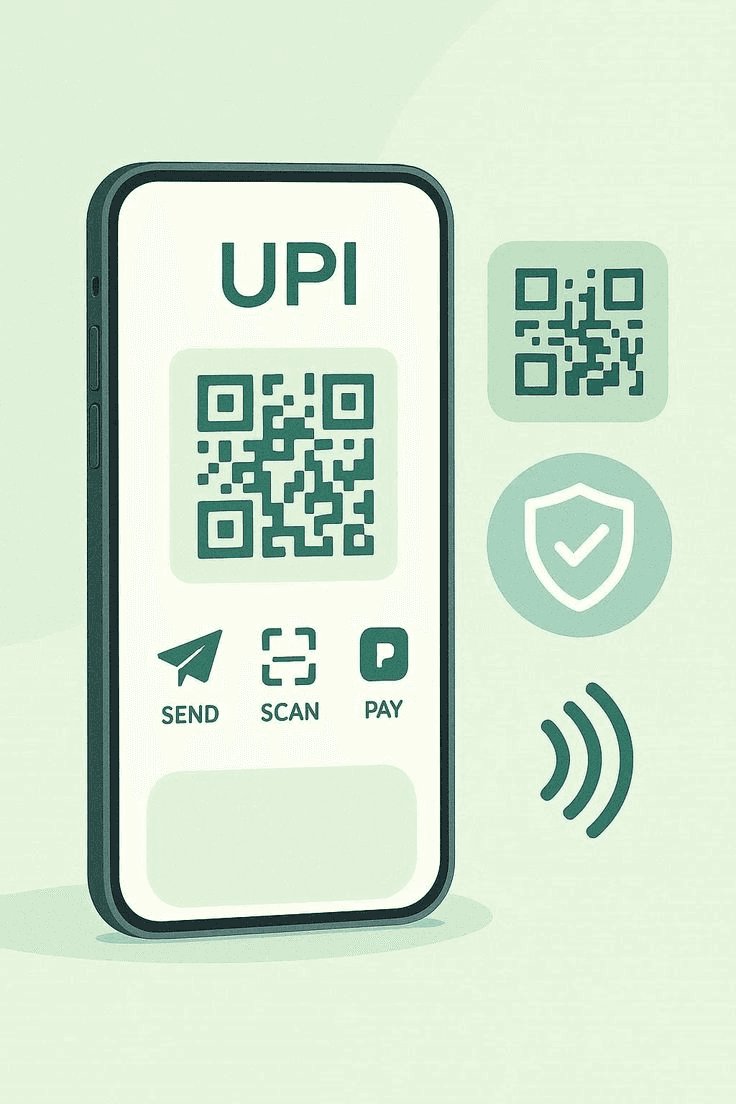
UPI Stack
The UPI Stack is the core infrastructure enabling real-time digital payments in India, connecting PSP apps, TPAPs, NPCI switch, and banks through secure APIs.
Overview
The UPI Stack is the core infrastructure enabling real-time digital payments in India, connecting PSP apps, TPAPs, the NPCI switch, and banks through secure APIs.
Payment Flow
A transaction starts with the user, moves from the PSP to the NPCI switch for validation, then to the issuer bank for authentication, followed by fund transfer and instant confirmation.
Features & Use Cases
It supports VPA-based transfers, QR payments, collect requests, AutoPay, UPI Lite, and intent flows across both P2P and P2M transactions.
Challenges
Performance can be affected by bank downtime, PSP latency, TPAP dependency, and peak-hour throttling.
Payment Orchestration
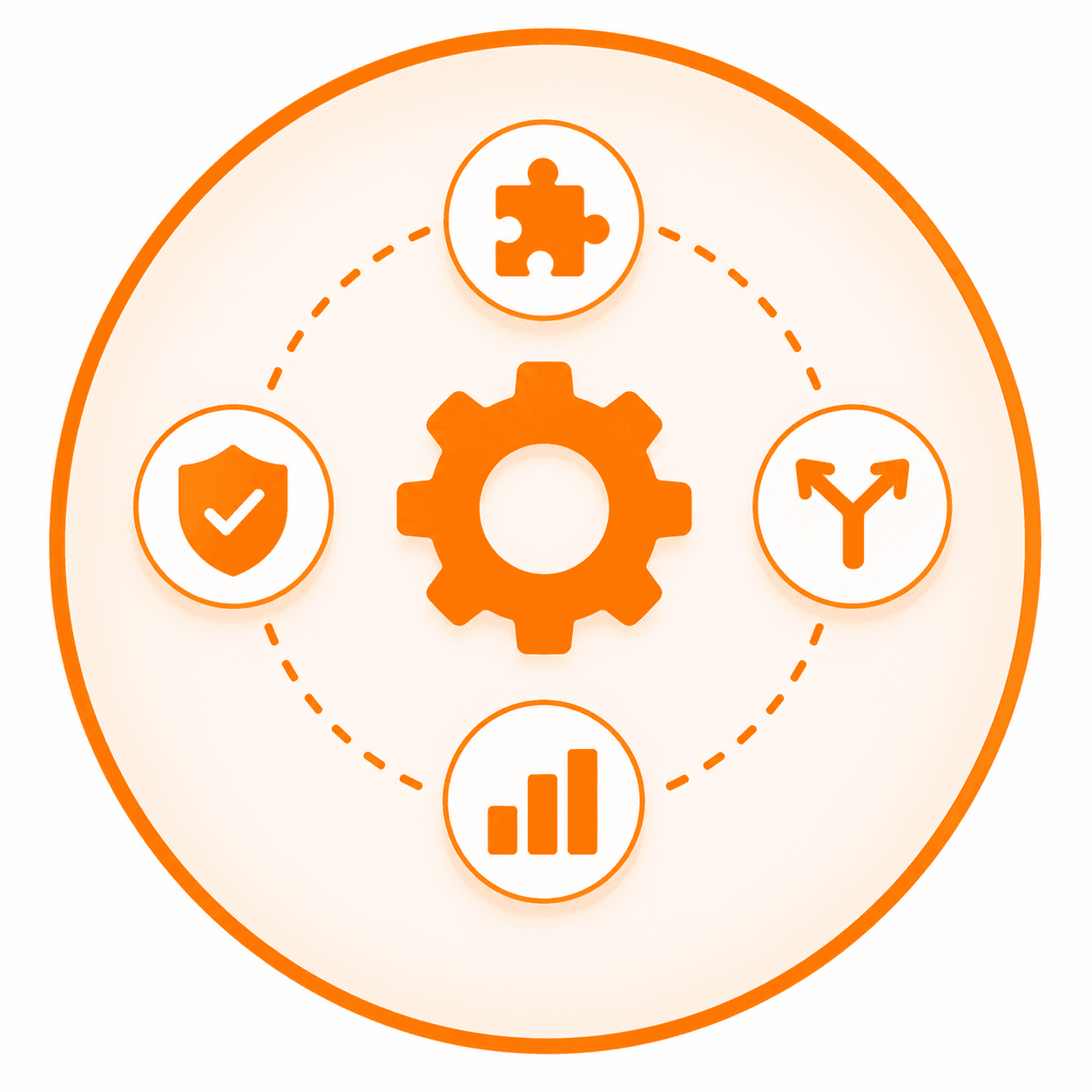
Payment orchestration centralizes multiple PSPs, acquirers, fraud systems, and payment methods into one control layer.
Overview
Payment orchestration centralizes multiple PSPs, acquirers, fraud systems, and payment methods into a single control layer, simplifying and optimizing the entire payment ecosystem.

Core Capabilities
It enables multi-PSP integration, dynamic routing, failover handling, smart retries, unified reporting, reconciliation, and secure token management.
Benefits
Businesses achieve higher success rates, reduced processing costs, improved uptime, vendor independence, and faster expansion into new markets.

Architecture & Routing
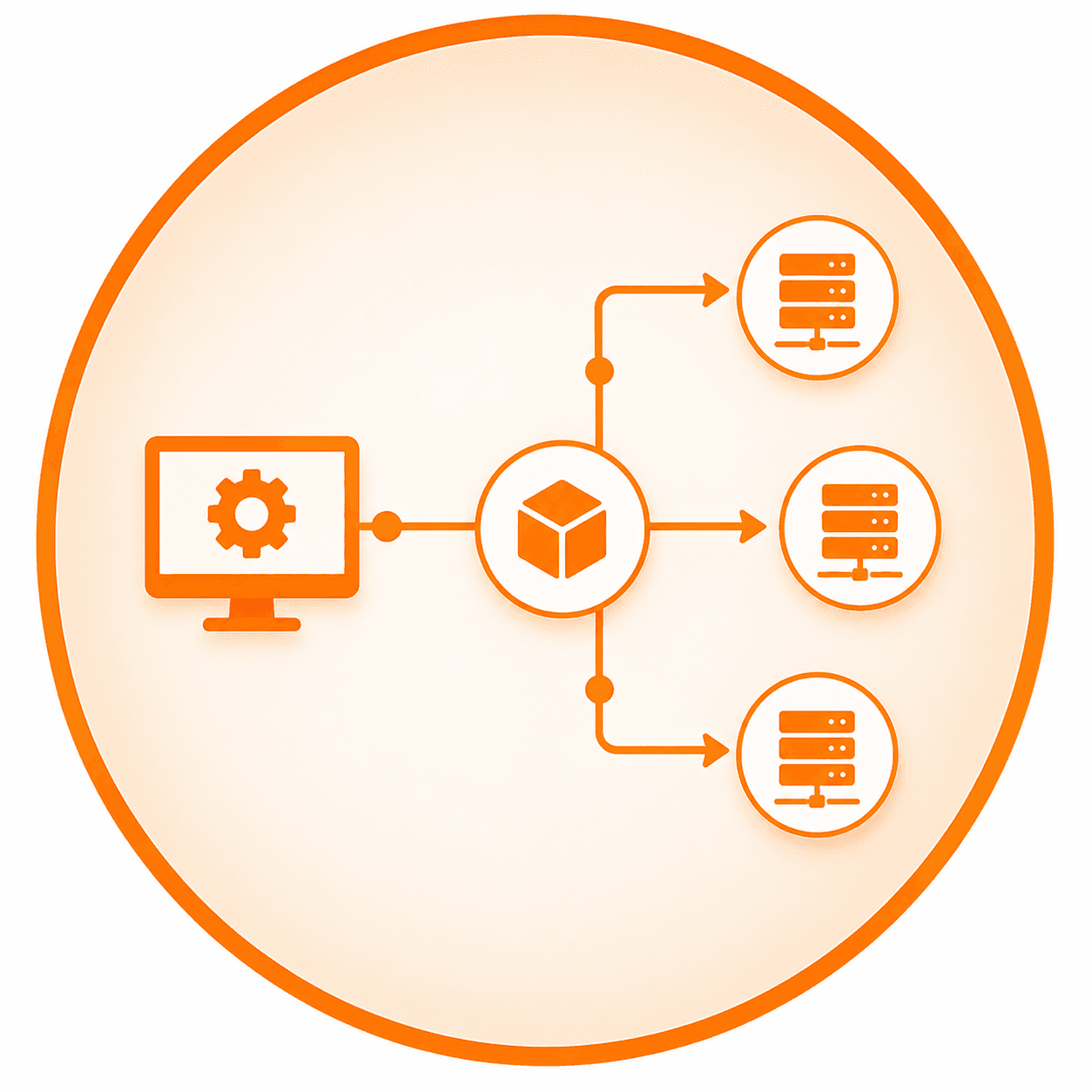
The flow moves from checkout to the orchestration layer, then routes transactions to PSPs, banks, or acquirers for processing.
UPI Stack
The UPI Stack is the core infrastructure enabling real-time digital payments in India, connecting PSP apps, TPAPs, NPCI switch, and banks through secure APIs.
Overview
The UPI Stack is the core infrastructure enabling real-time digital payments in India, connecting PSP apps, TPAPs, the NPCI switch, and banks through secure APIs.
Payment Flow
A transaction starts with the user, moves from the PSP to the NPCI switch for validation, then to the issuer bank for authentication, followed by fund transfer and instant confirmation.
Features & Use Cases
It supports VPA-based transfers, QR payments, collect requests, AutoPay, UPI Lite, and intent flows across both P2P and P2M transactions.
Challenges
Performance can be affected by bank downtime, PSP latency, TPAP dependency, and peak-hour throttling.
Payment Orchestration
Payment orchestration centralizes multiple PSPs, acquirers, fraud systems, and payment methods into one control layer.
Overview
Payment orchestration centralizes multiple PSPs, acquirers, fraud systems, and payment methods into a single control layer, simplifying and optimizing the entire payment ecosystem.
Core Capabilities
It enables multi-PSP integration, dynamic routing, failover handling, smart retries, unified reporting, reconciliation, and secure token management.
Benefits
Businesses achieve higher success rates, reduced processing costs, improved uptime, vendor independence, and faster expansion into new markets.
Architecture & Routing
The flow moves from checkout to the orchestration layer, then routes transactions to PSPs, banks, or acquirers for processing.
Tokenization and Encryption
Tokenization replaces sensitive payment data with non-sensitive tokens.


Routing & Throttling
Optimize payment flow with intelligent routing and traffic control.

Routing Overview
Routing determines the best payment processor or bank for a transaction using factors like bank health, success rate, cost, geography, and transaction value—ensuring higher success and efficiency.
Routing Strategies
Includes static, dynamic, smart, cost-based, and geo-based routing, enabling systems to automatically select the most optimal PSP or acquirer based on real-time conditions.
Throttling Control
Throttling manages transaction traffic through rate limiting, TPS control, and bank/merchant-level restrictions to prevent overload and maintain system stability.
Benefits & Use Cases
Ensures high uptime, prevents cascading failures, and maintains SLAs, especially during peak traffic, bank downtimes, or fraud spikes with real-time traffic management.
Routing & Throttling
Optimize payment flow with intelligent routing and traffic control.

Routing Overview
Routing determines the best payment processor or bank for a transaction using factors like bank health, success rate, cost, geography, and transaction value ensuring higher success and efficiency.
Routing Strategies
Includes static, dynamic, smart, cost-based, and geo-based routing, enabling systems to automatically select the most optimal PSP or acquirer based on real-time conditions.
Throttling Control
Throttling manages transaction traffic through rate limiting, TPS control, and bank/merchant-level restrictions to prevent overload and maintain system stability.
Benefits & Use Cases
Ensures high uptime, prevents cascading failures, and maintains SLAs, especially during peak traffic, bank downtimes, or fraud spikes with real-time traffic management.

Delivering IT solutions that enable you to work smarter
Maximizing Your Potential with Tailored Solutions
MAKING DIGITAL
AWESOME SINCE
(
2012
)
WHAT WE DO
WHAT'S OUR USP
FINTECH PRODUCTS &
APPLICATIONS
•
Custom Web & Mobile application design
•
Rapid Services & Deployments
Copyright ©2026 AUISY TECHNOLOGIES
MAKING DIGITAL
AWESOME SINCE
(
2012
)
WHAT WE DO
WHAT'S OUR USP
FINTECH PRODUCTS &
APPLICATIONS
•
Custom Web & Mobile application design
•
Rapid Services & Deployments
Copyright ©2026 AUISY TECHNOLOGIES
WHO WE ARE
WHAT WE DO
WE WORK WITH
WHAT’S OUR USP
MAKING DIGITAL
AWESOME SINCE
2012
Copyright ©2026 AUISY Technologies.
Disclaimer